
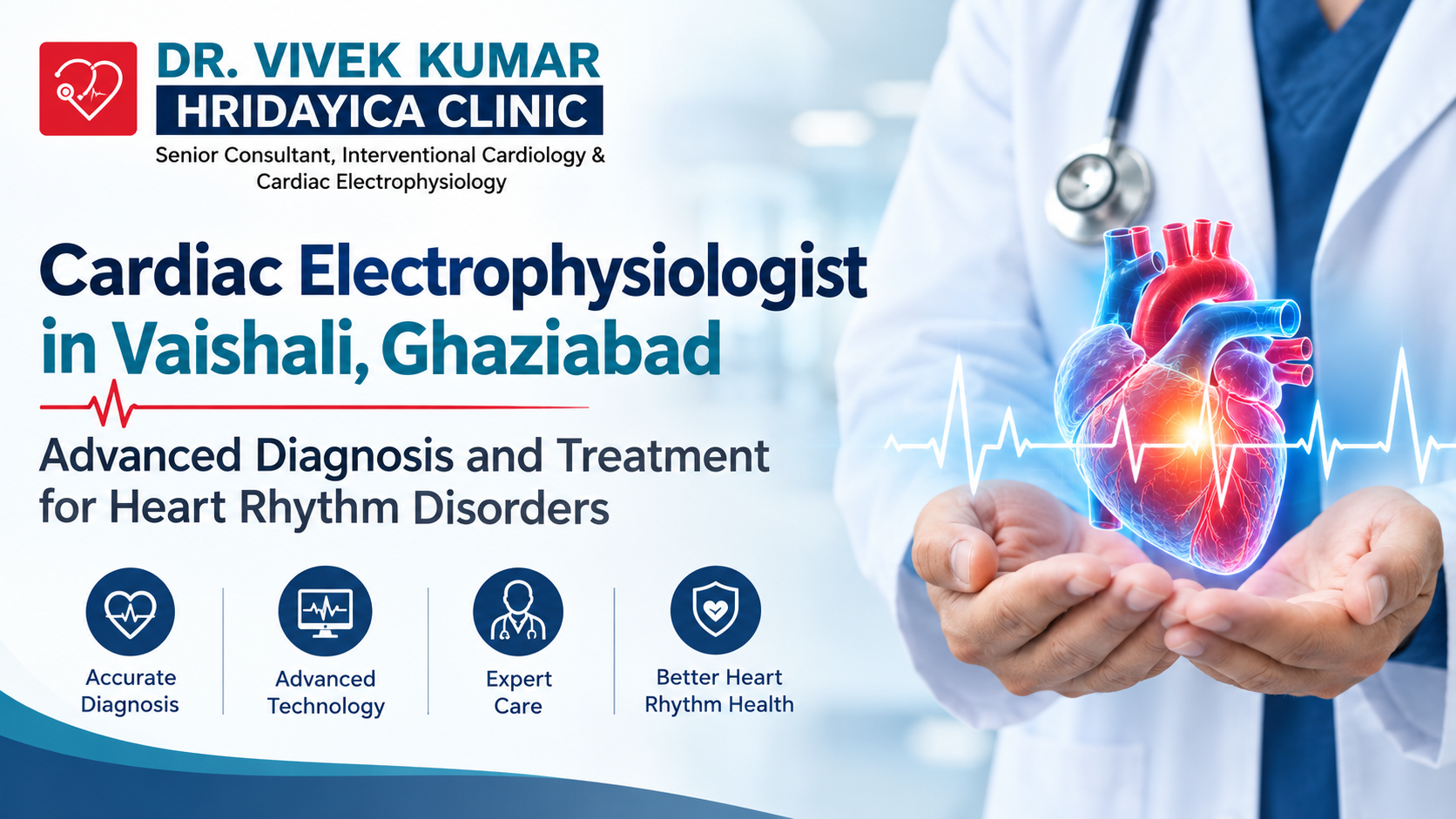
Heart health is essential for maintaining an active and healthy lifestyle. While many people associate heart disease with blocked arteries and heart attacks, abnormal heart rhythms are another important cardiac concern that requires timely medical attention. These rhythm disorders, medically known as arrhythmias, can affect how efficiently the heart pumps blood throughout the body.
Consulting an experienced cardiac electrophysiologist in Vaishali can help patients identify the cause of irregular heartbeats and explore suitable treatment options. For individuals experiencing palpitations, dizziness, unexplained fainting, or an unusually fast or slow heartbeat, specialized cardiac evaluation can be an important step towards better heart health.
Patients searching for a cardiac electrophysiologist in Ghaziabad can benefit from understanding the available diagnostic procedures, treatment options, warning signs, and the importance of personalized cardiac care.
What Is a Cardiac Electrophysiologist?
A cardiac electrophysiologist is a cardiologist with specialized expertise in diagnosing and treating electrical problems of the heart. The heart relies on coordinated electrical signals to maintain a regular heartbeat. When these signals become irregular, too fast, too slow, or disrupted, a person may develop a heart rhythm disorder.
Cardiac electrophysiology focuses on identifying the source of these electrical abnormalities and determining the most appropriate treatment.
A cardiac electrophysiologist may evaluate conditions such as:
- Atrial fibrillation (AF)
- Atrial flutter
- Supraventricular tachycardia (SVT)
- Ventricular tachycardia
- Bradycardia, or an unusually slow heart rate
- Certain conduction disorders
- Recurrent palpitations and unexplained fainting associated with arrhythmias
Depending on the condition, treatment may involve medication, catheter ablation, pacemaker implantation, or an implantable cardioverter-defibrillator (ICD).
When Should You Consult a Cardiac Electrophysiologist in Vaishali?
An irregular heartbeat does not always indicate a serious medical condition. However, recurring symptoms or unexplained changes in heart rate should not be ignored.
Consider consulting a cardiac electrophysiologist in Vaishali if you experience any of the following symptoms.
1. Frequent Palpitations
Palpitations are sensations of the heart racing, pounding, fluttering, or skipping beats. They may occur because of stress, caffeine, certain medications, or an underlying heart rhythm disorder.
If palpitations happen frequently, last longer than usual, or occur alongside dizziness or breathlessness, a medical assessment is recommended.
2. Dizziness or Fainting
An abnormal heart rhythm can sometimes reduce blood flow to the brain, resulting in dizziness, light-headedness, or fainting. These symptoms require prompt evaluation, particularly when they occur during physical activity or without an obvious explanation.
3. Unusually Fast or Slow Heartbeat
A heart that consistently beats too quickly or too slowly may not pump blood efficiently. An electrophysiologist can investigate whether an electrical problem is responsible and recommend treatment based on the diagnosis.
4. Breathlessness and Unexplained Fatigue
Some arrhythmias can cause shortness of breath, weakness, and reduced exercise tolerance. These symptoms may also result from other cardiac or non-cardiac conditions, making proper diagnosis important.
5. Previously Diagnosed Arrhythmia
People diagnosed with atrial fibrillation, SVT, ventricular arrhythmias, or other rhythm disorders may require specialist follow-up to monitor their condition and review treatment effectiveness.
Important: Sudden chest pain, severe breathlessness, collapse, or fainting accompanied by serious symptoms may indicate a medical emergency. Seek emergency medical care immediately rather than waiting for a routine appointment.
Common Diagnostic Tests Used in Cardiac Electrophysiology
Accurate diagnosis helps determine the nature of an arrhythmia and guides treatment decisions. A cardiac electrophysiologist in Ghaziabad may recommend one or more of the following investigations, depending on the patient’s symptoms and medical history.
Electrocardiogram (ECG)
An ECG records the electrical activity of the heart. It can help identify certain rhythm abnormalities, conduction problems, and other cardiac changes. However, an ECG may appear normal if an intermittent arrhythmia is not occurring during the test.
Holter Monitoring
A Holter monitor records heart rhythms continuously, typically over 24 to 48 hours, although longer monitoring may be recommended. It can help identify irregular heartbeats that may not appear during a standard ECG.
Event Monitoring
An event monitor records heart rhythm over a longer period when symptoms occur infrequently. It may be useful for patients experiencing occasional palpitations, dizziness, or unexplained episodes of weakness.
Echocardiography
An echocardiogram uses ultrasound to assess the heart’s structure, chambers, valves, and pumping function. It can help identify structural heart conditions that may contribute to rhythm abnormalities.
Electrophysiology Study (EPS)
An electrophysiology study is a specialized procedure in which thin, flexible catheters are guided into the heart through blood vessels to assess its electrical pathways. The test can help identify the origin of certain arrhythmias and determine whether catheter ablation or another treatment may be appropriate.
The need for each investigation depends on the patient’s symptoms, clinical findings, and suspected diagnosis.
Advanced Treatment Options for Heart Rhythm Disorders
Treatment for arrhythmias varies according to the type of rhythm disorder, its severity, associated symptoms, and the patient’s overall health.
1. Medication Management
Some heart rhythm disorders can be managed with medication. Depending on the diagnosis, medicines may help control heart rate, maintain a more regular rhythm, or reduce the risk of complications.
Patients should take prescribed medication as directed and should not discontinue treatment without consulting their doctor.
2. Catheter Ablation
Catheter ablation is a minimally invasive procedure used to treat certain arrhythmias. A specialist guides catheters through blood vessels to the heart and uses controlled energy to target the tissue responsible for abnormal electrical signals.
Ablation may be considered for selected patients with conditions such as SVT, atrial flutter, and certain forms of atrial fibrillation or ventricular arrhythmia.
The suitability and expected benefits of ablation depend on the specific rhythm disorder and individual clinical circumstances.
3. Pacemaker Implantation
A pacemaker is a small electronic device that helps regulate the heart rate when the heart beats too slowly or when certain electrical conduction problems occur.
The device sends electrical impulses when needed to help maintain an appropriate heart rate. Some patients may benefit from conventional pacemakers, while others may be suitable for specialized pacing approaches.
4. Implantable Cardioverter-Defibrillator (ICD)
An ICD monitors heart rhythm and can deliver therapy to treat certain dangerous ventricular arrhythmias. It may be recommended for patients who meet specific clinical criteria based on their risk of serious rhythm disturbances.
5. Ongoing Monitoring and Follow-Up
Arrhythmia management may require periodic consultations, ECGs, device checks, medication reviews, and lifestyle guidance. Regular follow-up helps doctors assess treatment effectiveness and respond to changes in symptoms.
How to Choose the Right Cardiac Electrophysiologist in Ghaziabad
Selecting the right specialist is an important part of managing a heart rhythm disorder. Patients should consider the following factors when looking for a cardiac electrophysiologist in Ghaziabad.
Specialized expertise: Look for a cardiologist with relevant experience in evaluating and managing cardiac arrhythmias.
Diagnostic facilities: Access to ECG, ambulatory rhythm monitoring, and appropriate electrophysiology services can support accurate diagnosis and treatment planning.
Individualized treatment: A suitable treatment plan should reflect the patient’s symptoms, medical history, test results, and personal needs.
Hospital and emergency support: For complex cardiac conditions, access to appropriate hospital facilities and emergency cardiac care can be important.
Clear communication: The specialist should explain the diagnosis, available treatment options, potential risks, expected benefits, and follow-up requirements in understandable language.
Patients should also ask whether a proposed procedure is necessary, what alternatives are available, and what recovery or long-term monitoring may involve.
Lifestyle Tips for Supporting Heart Rhythm Health
Medical treatment is essential when an arrhythmia requires intervention, but healthy habits can also support overall cardiovascular health.
- Maintain a balanced diet rich in vegetables, fruits, whole grains, and appropriate sources of protein.
- Engage in regular physical activity as advised by your healthcare professional.
- Limit excessive caffeine if it triggers palpitations.
- Avoid smoking and recreational substances that may affect heart rhythm.
- Manage stress through relaxation techniques and adequate sleep.
- Keep blood pressure, blood sugar, and cholesterol under appropriate control.
- Take prescribed medicines consistently and attend follow-up appointments.
- Record the timing, duration, and circumstances of recurring symptoms to discuss with your doctor.
Do not assume that lifestyle changes alone can treat an established arrhythmia. Seek medical advice if symptoms persist or worsen.
Consult Dr. Vivek Kumar at Hridayica for Specialized Cardiac Care
For patients searching for a cardiac electrophysiologist in Vaishali or a cardiac electrophysiologist in Ghaziabad, Dr. Vivek Kumar is a cardiology specialist associated with Hridayica and Max Super Speciality Hospital, Vaishali.
Dr. Vivek Kumar holds MBBS, MD, and DM qualifications and has more than 15 years of experience in cardiology. He serves as Director – Interventional Cardiology and Head of the Structural Heart Program at Max Super Speciality Hospital, Vaishali, Ghaziabad.
His clinical expertise includes the evaluation and management of complex cardiac arrhythmias, electrophysiology studies, three-dimensional cardiac mapping, and radiofrequency ablation (RFA). His broader interventional cardiology experience also includes pacemaker implantation, conduction system pacing, coronary angioplasty, and structural heart interventions.
Dr. Kumar has received advanced training in structural heart procedures at Cleveland Clinic in Ohio and Mount Sinai Hospital in New York, as well as training in complex angioplasty in Japan.
Patients experiencing recurrent palpitations, suspected arrhythmias, or other concerning heart rhythm symptoms can seek an appropriate cardiac assessment to understand their condition and available treatment options.
Frequently Asked Questions (FAQs)
1. What does a cardiac electrophysiologist treat?
A cardiac electrophysiologist diagnoses and treats electrical disorders of the heart, including atrial fibrillation, SVT, certain ventricular arrhythmias, slow heart rhythms, and some conduction disorders.
2. When should I consult a cardiac electrophysiologist in Vaishali?
Consider a consultation if you experience recurring palpitations, unexplained dizziness, fainting, unusually fast or slow heartbeats, or an arrhythmia diagnosed through previous testing. Severe or sudden symptoms may require emergency care.
3. Who can I consult for a cardiac electrophysiologist in Ghaziabad?
You can explore specialist cardiac care through Hridayica and Dr. Vivek Kumar, who practices at Max Super Speciality Hospital, Vaishali. Confirm the availability of the specific electrophysiology service required when booking your appointment.
4. Is catheter ablation a permanent treatment for arrhythmia?
Catheter ablation can provide long-term control and may eliminate certain arrhythmias in suitable patients. However, success rates, recurrence risks, and the possibility of repeat treatment depend on the type of arrhythmia and individual circumstances.
5. Is an electrophysiology study painful?
An electrophysiology study is generally performed using local anaesthesia at the catheter insertion site, with sedation used when appropriate. Patients may experience pressure or mild discomfort. The treating team explains the procedure, preparation, and potential risks beforehand.
6. Can heart rhythm disorders be treated without surgery?
Many rhythm disorders can be managed with medication or monitoring. Others may require catheter ablation or device implantation. The appropriate option depends on the diagnosis, severity, and the patient’s overall health.
7. Are palpitations always a sign of heart disease?
No. Palpitations can occur because of stress, caffeine, dehydration, or other factors. However, recurrent palpitations or symptoms accompanied by dizziness, fainting, chest pain, or breathlessness should be medically evaluated.
8. How can I book an appointment with Dr. Vivek Kumar?
Visit www.hridayica.com or call +91 84470 95445 to enquire about appointments, consultation timings, and the cardiac services available at the Vaishali location.
Heart rhythm disorders can affect people of different ages and may range from occasional, harmless palpitations to conditions requiring specialized treatment. Recognizing symptoms early, obtaining an accurate diagnosis, and following an appropriate treatment plan can help patients manage their heart health more effectively.
If you are looking for a cardiac electrophysiologist in Vaishali or a cardiac electrophysiologist in Ghaziabad, consider consulting a qualified cardiology specialist who can assess your symptoms, explain the available treatment options, and recommend care tailored to your condition. Through Hridayica, patients can enquire about consultations with Dr. Vivek Kumar and access information about cardiac evaluation and treatment services in Vaishali, Ghaziabad.