10 Warning Signs That Indicate You Need a Heart Specialist
Heart disease can develop gradually, and many people do not recognise its early symptoms. Ignoring warning signs such as chest pain, breathlessness, dizziness, or irregular heartbeat can delay diagnosis and increase the risk of serious complications.
A cardiologist specialises in diagnosing, preventing, and treating diseases related to the heart and blood vessels. Consulting an experienced heart specialist at the right time can help identify cardiovascular problems before they become severe.
If you are searching for the Cardiologist in Ghaziabad, it is important to understand the symptoms that require medical attention. Whether you have high blood pressure, diabetes, a family history of heart disease, or unexplained physical discomfort, regular cardiac evaluation can play an important role in protecting your heart.
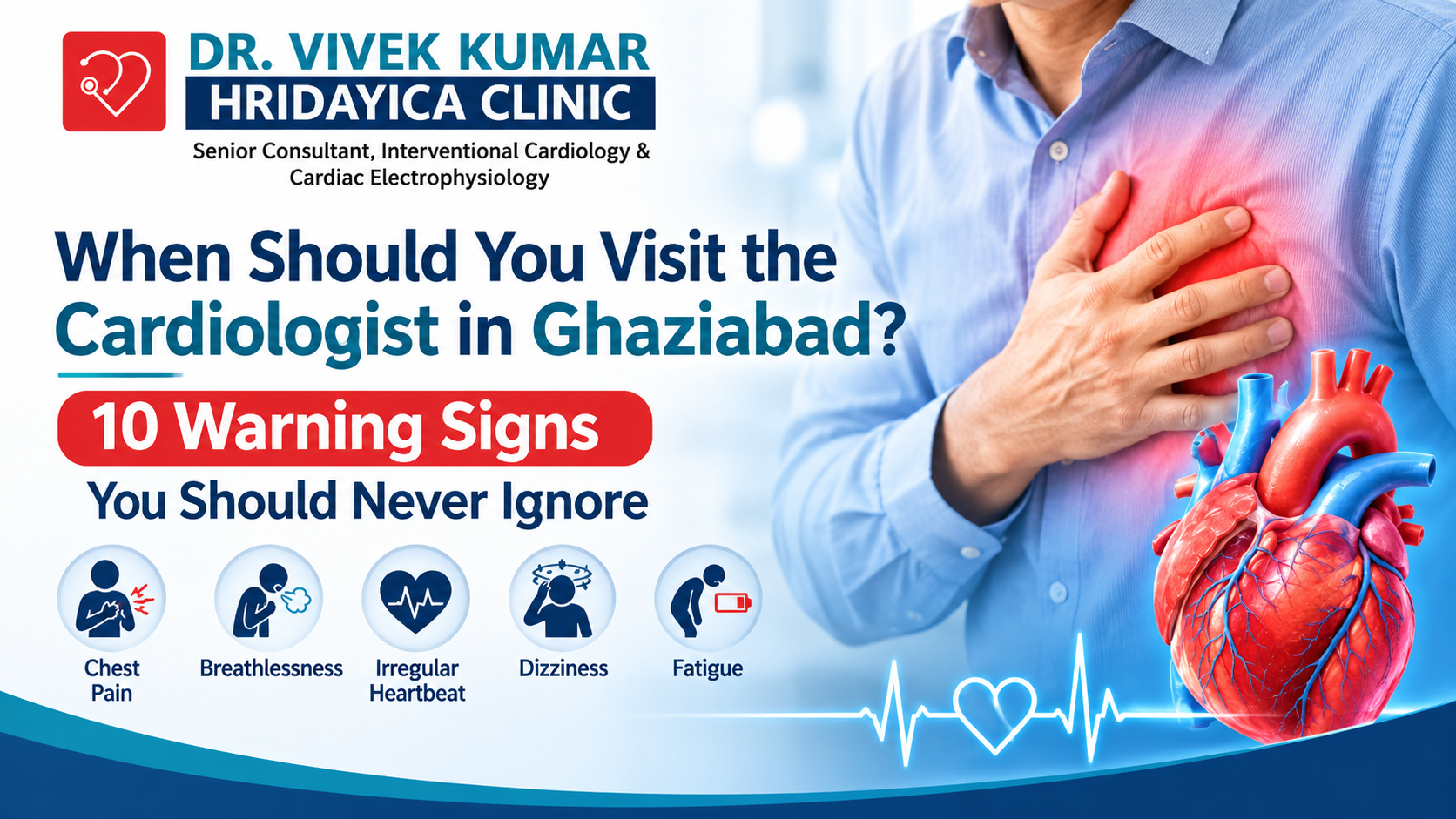
Here are 10 warning signs that indicate you should consider visiting a cardiologist.
1. Chest Pain or Discomfort
Chest pain is one of the most important warning signs of a possible heart problem. It may feel like pressure, tightness, heaviness, squeezing, or burning in the chest.
Sometimes, chest discomfort occurs during physical activity, walking, climbing stairs, or emotional stress. It may indicate angina, which occurs when the heart muscle does not receive enough oxygen-rich blood.
Although chest pain can have several causes, it should never be ignored, particularly when accompanied by sweating, nausea, or breathlessness.
When to seek help: Sudden or persistent chest pressure, especially with sweating or pain spreading to the arms, jaw, back, or neck, requires emergency medical attention. Do not wait for a routine cardiology appointment.
2. Shortness of Breath
Experiencing breathlessness after strenuous exercise can be normal. However, feeling short of breath while walking short distances, climbing stairs, lying down, or resting may indicate an underlying cardiac or respiratory condition.
Heart failure, coronary artery disease, and heart valve disorders can affect the heart’s ability to circulate blood efficiently, sometimes resulting in breathlessness.
If you frequently experience breathing difficulties without an obvious reason, consult a cardiologist for proper evaluation.
3. Irregular Heartbeat or Palpitations
Have you ever felt your heart racing, fluttering, pounding, or skipping beats?
These sensations are commonly known as heart palpitations. Occasional palpitations may occur due to stress, caffeine, lack of sleep, or anxiety. However, frequent or prolonged episodes may indicate an abnormal heart rhythm known as arrhythmia.
A cardiologist may recommend an ECG, Holter monitoring, or other investigations to identify the underlying cause.
If palpitations occur with chest pain, severe breathlessness, dizziness, or fainting, seek emergency medical attention.
4. Frequent Dizziness or Fainting
Unexplained dizziness, light-headedness, or fainting can sometimes indicate a cardiovascular problem.
These symptoms may occur when the brain does not receive sufficient blood flow. Possible causes include abnormal heart rhythms, blood pressure fluctuations, or structural heart conditions.
If you experience repeated episodes of dizziness, especially during physical activity, consult a heart specialist for evaluation.
Sudden fainting, particularly when associated with chest pain or breathlessness, requires urgent medical assessment.
5. Unusual Fatigue and Weakness
Feeling tired after a busy day is normal. However, persistent fatigue without a clear explanation may sometimes indicate an underlying heart condition.
When the heart cannot pump blood effectively, the body’s organs and muscles may receive less oxygen-rich blood. This can lead to unusual tiredness, reduced exercise capacity, and weakness.
Women may also experience unusual fatigue as part of a heart attack presentation, sometimes without typical chest pain.
If everyday activities suddenly become exhausting, consider getting your heart health evaluated.
6. Swelling in the Legs, Ankles, or Feet
Swelling in the lower legs, ankles, and feet can sometimes indicate fluid retention associated with heart failure.
When the heart does not pump blood efficiently, fluid may accumulate in different parts of the body. Some people may also notice sudden weight gain, abdominal swelling, or increased breathlessness.
Although swelling can also result from kidney problems, venous disorders, or certain medications, persistent or worsening swelling should be medically evaluated.
7. High Blood Pressure
High blood pressure, also known as hypertension, is a major risk factor for cardiovascular diseases.
Many people with hypertension do not experience noticeable symptoms. However, uncontrolled blood pressure can gradually damage blood vessels and increase the risk of heart attack, stroke, heart failure, and kidney disease.
Regular blood pressure monitoring is particularly important for people with diabetes, obesity, high cholesterol, or a family history of cardiovascular disease.
Consult a cardiologist if your blood pressure remains consistently elevated or is difficult to control despite medication and lifestyle changes.
8. Pain in the Arm, Neck, Jaw, or Back
Heart-related discomfort does not always begin in the chest. Sometimes, pain or pressure may spread to the shoulders, arms, neck, jaw, or back.
These symptoms can occur during a heart attack because the nerves carrying pain signals from the heart overlap with nerves serving other parts of the body.
Women, older adults, and people with diabetes may experience less typical heart attack symptoms.
If unexplained pain in these areas occurs with sweating, nausea, chest discomfort, or breathlessness, seek emergency medical assistance.
9. Excessive Sweating and Nausea
Sudden cold sweating, nausea, vomiting, or unusual discomfort can sometimes accompany a heart attack.
Some individuals may experience these symptoms even without severe chest pain. This is one reason why heart-related problems can sometimes go unrecognised.
If sudden sweating and nausea occur alongside chest pressure, dizziness, or breathing difficulty, do not assume they are caused by indigestion or stomach problems.
Immediate medical assessment is essential.
10. Family History of Heart Disease
Your family history can significantly influence your risk of developing cardiovascular disease.
If your parents, siblings, or close relatives have experienced heart attacks, coronary artery disease, or other serious cardiac conditions, you may have a higher risk of developing similar problems.
Genetic factors, combined with lifestyle habits, diabetes, obesity, smoking, and high cholesterol, can increase cardiovascular risk.
Even if you do not have symptoms, consulting a cardiologist for preventive evaluation may be beneficial.
Why Is Early Consultation with a Cardiologist Important?
Early diagnosis is important for identifying cardiovascular conditions and preventing complications. Many heart-related diseases can be managed more effectively when detected at an early stage.
A cardiologist evaluates your medical history, symptoms, lifestyle, and risk factors before recommending appropriate investigations or treatment.
Advanced Heart Treatments Available in Ghaziabad
Modern cardiology offers several advanced treatment options for patients with different cardiovascular conditions.
Depending on the diagnosis, treatment may include:
1. Coronary Angioplasty: A minimally invasive procedure used to open narrowed or blocked coronary arteries, often involving the placement of a stent.
2. Pacemaker Implantation: A device-based treatment that helps regulate heart rhythm in patients with certain slow-heartbeat conditions.
3. TAVI/TAVR: A minimally invasive procedure used to replace a diseased aortic valve in appropriately selected patients.
4. Balloon Mitral Valvotomy: A catheter-based procedure used in suitable patients to improve blood flow through a narrowed mitral valve.
5. ICD Implantation: An implantable device that helps detect and treat certain dangerous heart rhythms.
The most appropriate treatment depends on the patient’s condition, diagnostic findings, and overall health.
How to Maintain a Healthy Heart?
Along with medical evaluation, adopting healthy lifestyle habits can help reduce the risk of cardiovascular diseases.
Here are some important preventive measures:
- Eat a balanced diet rich in fruits, vegetables, whole grains, and fibre.
- Exercise regularly, according to your doctor’s advice.
- Avoid smoking and tobacco products.
- Limit excessive salt and unhealthy fats.
- Maintain a healthy body weight.
- Monitor blood pressure, blood sugar, and cholesterol.
- Manage stress and get adequate sleep.
- Attend regular health checkups, particularly if you have cardiac risk factors.
People with existing heart conditions should follow their cardiologist’s recommendations before starting a new exercise routine or making significant lifestyle changes.
Consult the Cardiologist in Ghaziabad – Dr. Vivek Kumar
If you are experiencing warning signs of heart disease or looking for preventive cardiac care, consulting an experienced cardiologist is an important step towards protecting your heart.
Dr. Vivek Kumar is an experienced interventional cardiologist with more than 15 years of experience in cardiology. He is the Director of Interventional Cardiology and Head of the Structural Heart Program at Max Super Speciality Hospital, Vaishali, Ghaziabad.
He specialises in advanced cardiac procedures, including coronary angiography, complex angioplasty, pacemaker implantation, TAVI/TAVR, and structural heart interventions. His advanced training at Cleveland Clinic, Mount Sinai, and in Japan further supports his expertise in specialised cardiac care.
Patients looking for the Cardiologist in Ghaziabad, an experienced heart specialist in Vaishali, or advanced interventional cardiac treatment can consult Dr. Vivek Kumar for appropriate evaluation and treatment guidance.